Laser Genital Whitening Turkey
Laser Genital Whitening Turkey: A Comprehensive Guide to Modern Intimate Skin Brightening Treatments
Skin pigmentation varies naturally from one person to another, and this variation extends to the intimate area as well. The color of the vulvar and surrounding genital skin is influenced by multiple biological factors, including genetics, hormonal activity, age, pregnancy, and normal melanin production. As a result, darker pigmentation in the genital region is often a completely normal anatomical characteristic rather than a medical problem.
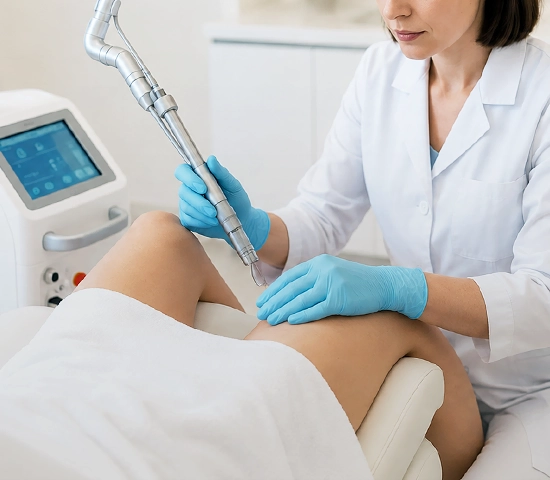
Laser genital whitening is a modern aesthetic treatment designed to reduce the appearance of excess pigmentation in carefully selected patients. Rather than changing the natural anatomy of the intimate area, laser technology aims to target superficial pigment while stimulating controlled skin renewal. The objective is not to create an artificial appearance but to promote a more even skin tone when pigmentation changes become a cosmetic concern for the individual.
Interest in Laser Genital Whitening in Turkey has increased significantly over recent years as women seek minimally invasive treatments that address intimate skin pigmentation without surgery. Modern laser systems allow physicians to perform highly controlled treatments while preserving the surrounding tissues, making laser therapy one of several available options for women interested in aesthetic improvement of the external genital area.
It is important to understand that genital pigmentation itself is usually a normal physiological finding. Every woman has a unique skin tone, and the color of the labia, perineum, groin, and surrounding tissues often differs from other areas of the body. Treatment should therefore be viewed as an elective aesthetic procedure rather than a medical necessity. The decision to undergo laser genital whitening should always be based on informed personal preference following consultation with an experienced physician.
Modern aesthetic gynecology emphasizes realistic expectations and individualized treatment planning. Not every patient is an ideal candidate for laser therapy, and not every type of pigmentation responds in the same way. A detailed clinical assessment remains the foundation of appropriate treatment selection.
What Is Laser Genital Whitening?
Laser genital whitening is a non-surgical procedure that uses controlled laser energy to improve the appearance of hyperpigmented skin in the external genital area. The treatment focuses on reducing excess melanin within the superficial layers of the skin while encouraging natural skin renewal and collagen remodeling.
Unlike topical creams that primarily affect the outermost surface of the skin, laser technology delivers precisely controlled energy into selected tissue layers. This controlled interaction stimulates the body's natural healing response, allowing pigmented skin cells to be gradually replaced as new, healthier skin develops during the healing process.
Laser genital whitening is performed exclusively on the external genital skin. Depending on the patient's individual concerns, treatment may involve the labia majora, perineal region, groin folds, or other areas where increased pigmentation is present. The exact treatment area is determined during clinical examination according to the patient's anatomy and aesthetic goals.
The procedure should not be confused with surgical genital aesthetic procedures. Laser whitening does not remove tissue, reshape the vulva, tighten the vagina, or alter genital anatomy. Instead, it is intended solely to improve skin pigmentation through controlled laser-based skin rejuvenation.
Why Does Genital Skin Become Darker?
One of the most common questions women ask is why the genital area often appears darker than the surrounding skin. In most cases, this difference is entirely natural and results from the way melanin is distributed throughout the body.
Melanin is the pigment responsible for determining skin color. Every individual produces different amounts of melanin based on genetic factors, hormonal influences, and environmental exposure. Areas of the body exposed to repeated friction or hormonal stimulation may naturally develop increased pigmentation over time.
Several factors may contribute to darker genital skin, including:
- Natural genetic skin pigmentation
- Hormonal fluctuations during puberty
- Pregnancy-related hormonal changes
- Aging and long-term hormonal influences
- Repeated friction from clothing or physical activity
- Hair removal methods such as shaving or waxing
- Previous inflammation or skin irritation
- Individual differences in melanin production
These pigmentation changes are generally considered a normal variation of female anatomy rather than a disease. The presence of darker genital skin does not indicate poor hygiene, infection, or an underlying medical problem in most healthy women.
Understanding the biological causes of pigmentation is important because laser treatment cannot completely alter a person's genetically determined skin color. Instead, treatment aims to reduce excessive pigmentation while maintaining a natural appearance that harmonizes with the individual's overall skin tone.
Who Is a Good Candidate for Laser Genital Whitening?
Laser genital whitening may be considered for women who are concerned about localized hyperpigmentation of the external genital skin and who wish to explore non-surgical treatment options after receiving a professional medical evaluation. The most suitable candidates are women with realistic expectations who understand both the potential benefits and the limitations of laser therapy.
Women who may be appropriate candidates include those who:
- Have stable, benign genital hyperpigmentation.
- Are bothered by uneven skin tone in the intimate area.
- Prefer a minimally invasive aesthetic treatment.
- Are in good general health.
- Do not have active skin infections or untreated dermatological conditions.
- Understand that gradual improvement is more realistic than complete color change.
An individualized consultation remains essential because the underlying cause of pigmentation should always be evaluated before treatment is recommended.
Who May Not Be a Suitable Candidate for Laser Genital Whitening?
Although laser genital whitening is considered a minimally invasive aesthetic procedure, it is not appropriate for every individual. A careful medical evaluation should always be performed before treatment to determine whether the patient's pigmentation is suitable for laser therapy and to exclude any underlying skin or gynecological conditions that may require a different approach.
Laser treatment may not be recommended for women who have:
- Active skin infections affecting the genital area
- Untreated fungal or bacterial infections
- Suspicious pigmented lesions requiring dermatological assessment
- Open wounds or irritated skin
- Certain chronic skin disorders involving the treatment area
- Pregnancy, when elective aesthetic procedures are generally postponed
- Unrealistic expectations regarding treatment outcomes
Postponing treatment until these conditions have resolved helps improve both safety and clinical results. Every patient should undergo an individualized assessment rather than assuming that laser treatment is suitable for all types of pigmentation.
Why Choose Laser Genital Whitening in Turkey?
Turkey has become an internationally recognized destination for aesthetic gynecology and advanced laser treatments. Women considering Laser Genital Whitening in Turkey often seek clinics that combine modern laser technology with experienced physicians who understand the unique anatomy and physiology of the female intimate area.
One of the strengths of treatment in Turkey is the emphasis on individualized consultation. Rather than recommending the same treatment protocol for every patient, physicians evaluate the type of pigmentation, skin characteristics, hormonal influences, and overall skin health before determining whether laser therapy is appropriate.
Modern laser platforms, individualized treatment planning, and comprehensive follow-up have contributed to the increasing popularity of Laser Genital Whitening Turkey among both local and international patients. Regardless of where treatment is performed, selecting an experienced physician and maintaining realistic expectations remain the most important factors influencing patient satisfaction.
Why Do International Patients Travel to Turkey for Laser Genital Whitening?
Many women travel to Turkey to explore aesthetic gynecological procedures performed with modern laser technologies. International patients often appreciate having sufficient time during consultation to discuss their concerns, understand the expected treatment process, and receive individualized recommendations before proceeding.
Women traveling from abroad are encouraged to share their medical history, previous aesthetic procedures, current medications, and any history of skin sensitivity before treatment begins. This information helps the physician determine whether laser therapy is appropriate and allows the treatment plan to be tailored according to each patient's individual needs.
Planning accommodation close to the clinic, allowing enough time for consultation and early follow-up, and understanding post-treatment recommendations before traveling home contribute to a more comfortable overall experience.
How Does Laser Genital Whitening Work?
Laser genital whitening works by delivering carefully controlled laser energy to areas of increased pigmentation within the superficial layers of the skin. Rather than bleaching the skin or chemically altering its natural color, laser technology interacts with melanin-containing cells and stimulates the body's natural skin renewal process.
When laser energy is absorbed by pigmented tissue, microscopic thermal effects encourage gradual removal of excess pigment while simultaneously activating collagen production and normal tissue repair. As new skin cells replace older pigmented cells during the healing process, the treated area may gradually appear more even in tone.
Because pigmentation develops differently in every individual, treatment outcomes vary according to several important factors, including:
- Natural skin tone
- Amount and depth of pigmentation
- Hormonal influences
- Genetic characteristics
- Lifestyle factors
- Individual healing response
Laser treatment therefore aims to improve skin tone rather than completely changing genetically determined pigmentation.
Types of Laser Used for Genital Whitening
Several medical laser systems may be used for intimate skin rejuvenation and pigmentation treatments. Each technology interacts with the skin differently, and the most appropriate choice depends on the patient's skin type, pigmentation characteristics, and clinical evaluation.
Some laser systems primarily target superficial pigmentation, while others focus on controlled skin resurfacing and collagen remodeling. The treating physician selects the most suitable technology according to the patient's individual needs rather than relying on a single device for every case.
Regardless of the laser platform used, treatment should always prioritize skin safety, gradual improvement, and preservation of healthy surrounding tissue.
CO₂ Laser
Carbon dioxide (CO₂) laser technology is widely used in aesthetic medicine because of its ability to promote controlled skin resurfacing and stimulate collagen remodeling. Depending on the treatment protocol, CO₂ laser therapy may also contribute to gradual improvement of superficial pigmentation while encouraging healthy skin renewal.
Er:YAG Laser
Erbium:YAG (Er:YAG) laser systems provide another option for carefully selected patients. Because this technology interacts differently with skin tissue, physicians may recommend it depending on the patient's skin characteristics, treatment objectives, and expected healing profile.
Neither technology is universally superior. The optimal choice depends on careful clinical evaluation rather than the laser device alone.
What Happens During the Procedure?
Laser genital whitening is typically performed as an outpatient procedure and usually does not require general anesthesia. Before treatment begins, the physician carefully examines the treatment area, evaluates the pigmentation pattern, and discusses realistic expectations with the patient.
During the procedure, the laser handpiece is applied to the selected treatment area according to an individualized treatment protocol. The laser delivers controlled pulses of energy while minimizing unnecessary exposure to surrounding tissues.
Most treatment sessions are completed within a relatively short period. Following the procedure, patients receive detailed instructions regarding skin care, hygiene, activity recommendations, and follow-up appointments to support optimal healing.
Recovery After Laser Genital Whitening in Turkey
Recovery after Laser Genital Whitening in Turkey is generally straightforward because the procedure is minimally invasive and does not involve surgical incisions. However, the healing process varies depending on the individual's skin type, the laser technology used, the intensity of treatment, and the body's natural regenerative response.
Immediately after the procedure, it is normal to experience temporary redness, mild swelling, or increased skin sensitivity in the treated area. These reactions usually represent the skin's normal response to controlled laser energy and gradually improve during the healing period.
To support optimal recovery, patients are commonly advised to:
- Keep the treated area clean and dry.
- Follow all post-treatment skincare recommendations provided by their physician.
- Avoid activities that may create excessive friction during the early healing period.
- Wear loose-fitting, breathable clothing for greater comfort.
- Avoid unnecessary heat exposure until the skin has recovered.
- Attend recommended follow-up appointments.
Skin renewal continues gradually after treatment, meaning visible improvement often develops progressively over several weeks rather than immediately after the procedure. Individual healing timelines vary from one patient to another.
Benefits of Laser Genital Whitening
Laser genital whitening is intended to improve the appearance of localized hyperpigmentation while maintaining the natural characteristics of the intimate skin. Rather than creating an artificial skin color, the treatment aims to promote a more balanced and even skin tone through controlled skin renewal.
Potential benefits may include:
More Even Skin Tone
Laser treatment may reduce the appearance of localized areas of increased pigmentation, contributing to a smoother transition between surrounding skin tones.
Non-Surgical Approach
Unlike surgical aesthetic procedures, laser genital whitening does not involve tissue removal, incisions, or structural alteration of the genital anatomy.
Gradual Skin Renewal
Laser therapy stimulates the body's natural regenerative processes, allowing improvements to develop progressively as new skin cells replace older pigmented tissue.
Minimal Downtime
Because treatment is minimally invasive, many women are able to resume normal daily activities relatively quickly while following individualized recovery recommendations.
Improved Confidence
For women who are personally bothered by intimate skin pigmentation, aesthetic improvement may contribute to greater confidence and increased comfort with their body image. These emotional benefits are highly individual and should never be considered the sole purpose of treatment.
Limitations of Laser Genital Whitening
Although laser genital whitening can improve the appearance of selected pigmentation concerns, it is important to recognize that every treatment has limitations. Understanding these limitations helps patients develop realistic expectations before beginning treatment.
Laser therapy cannot permanently alter genetically determined skin color. Instead, treatment aims to reduce excess pigmentation while maintaining a natural appearance appropriate for the individual's overall skin tone.
Other important limitations include:
- Results vary between individuals.
- Multiple treatment sessions may be recommended.
- Hormonal influences may continue to affect pigmentation over time.
- Natural aging continues after treatment.
- Certain types of pigmentation respond better than others.
- Laser therapy does not treat underlying medical conditions responsible for abnormal pigmentation.
An individualized consultation allows the physician to explain what level of improvement may realistically be expected in each individual case.
Scientific Perspective on Laser Genital Whitening
Laser technologies have become increasingly important in dermatology and aesthetic medicine because of their ability to selectively target pigmented skin while encouraging controlled tissue regeneration. In the field of intimate aesthetics, interest in laser genital whitening has grown as physicians seek minimally invasive options for carefully selected patients with cosmetic pigmentation concerns.
Current clinical experience suggests that laser treatment may improve the appearance of superficial hyperpigmentation in selected individuals. However, outcomes depend on many factors, including skin type, pigmentation depth, hormonal influences, laser settings, and individual healing capacity.
Researchers continue to evaluate different laser systems, treatment protocols, and long-term outcomes to better understand which patients are most likely to benefit from treatment. As with many aesthetic procedures, individualized patient selection remains one of the most important determinants of successful outcomes.
Myths and Facts About Laser Genital Whitening
Misconceptions about intimate skin whitening are common. Understanding the facts allows patients to make more informed decisions.
Myth: Dark genital skin is unhealthy.
Fact: In most women, darker genital pigmentation is a completely normal anatomical variation influenced by genetics and hormones.
Myth: One laser session completely changes skin color.
Fact: Improvement develops gradually, and some patients may require multiple treatment sessions depending on their pigmentation characteristics.
Myth: Laser permanently prevents pigmentation from returning.
Fact: Hormonal changes, aging, pregnancy, and natural melanin production may continue to influence skin pigmentation over time.
Myth: Every woman achieves identical results.
Fact: Individual skin characteristics, genetics, healing response, and pigmentation depth all influence treatment outcomes.
Laser Genital Whitening Before and After: What to Expect
Women considering laser genital whitening should understand that improvements develop progressively as the skin completes its natural healing process. During the first days following treatment, temporary redness or mild sensitivity may occur before new skin gradually replaces treated tissue.
Rather than producing an immediate dramatic color change, laser therapy supports gradual improvement over time. The objective is to create a more even appearance while preserving the natural characteristics of the skin. Because every woman has unique pigmentation patterns and healing responses, treatment outcomes vary from one individual to another. Maintaining realistic expectations remains one of the most important factors influencing patient satisfaction.
Laser Genital Whitening Turkey: Cost Factors to Consider
The cost of Laser Genital Whitening in Turkey depends on several variables rather than a standardized treatment fee. Factors such as the extent of pigmentation, the size of the treatment area, the laser technology selected, the number of recommended sessions, physician experience, and the medical facility all contribute to the overall treatment plan.
International patients should also consider practical expenses related to accommodation, transportation, and the duration of their stay in Turkey. Rather than selecting a clinic based solely on price, patients are encouraged to prioritize physician expertise, patient safety, individualized consultation, and comprehensive follow-up care.
Traveling to Turkey for Laser Genital Whitening
International patients planning Laser Genital Whitening in Turkey are encouraged to organize their treatment journey in advance. Sharing previous medical history, discussing current skin concerns, and understanding the expected treatment process before traveling allow the physician to provide individualized recommendations.
Scheduling adequate time for consultation, treatment, and early follow-up before returning home contributes to a smoother treatment experience. Careful planning also allows patients to receive personalized recovery guidance while maintaining communication with their healthcare team after treatment.
How Long Should You Stay in Turkey After Laser Genital Whitening?
Because laser genital whitening is a minimally invasive outpatient procedure, many international patients require only a relatively short stay in Turkey. However, the exact duration depends on the treatment protocol and whether follow-up evaluation is recommended before travel.
Allowing enough time for the physician to assess the treated skin and provide individualized recovery instructions helps support a safe and well-planned return home.
Laser Genital Whitening Turkey: Questions to Ask Before Choosing a Specialist
Choosing an experienced physician is essential for safe and appropriate treatment. During the consultation, patients should feel comfortable discussing their expectations, skin characteristics, and available treatment options.
Questions that may be useful include:
- Am I an appropriate candidate for laser genital whitening?
- What is causing my pigmentation?
- Which laser technology will be used?
- How many sessions may be recommended?
- What level of improvement can realistically be expected?
- What are the potential risks and limitations?
- What should I do before and after treatment?
- How will follow-up care be managed after I return home?
A comprehensive consultation allows treatment decisions to be based on medical evaluation rather than cosmetic trends alone.
Frequently Asked Questions About Laser Genital Whitening
Is laser genital whitening painful?
Most patients experience mild discomfort rather than significant pain. Individual experiences vary depending on skin sensitivity and the treatment protocol.
How many sessions are usually needed?
There is no standard number suitable for every patient. The recommendation depends on pigmentation characteristics, skin response, and the physician's assessment.
Can pigmentation return after treatment?
Natural hormonal changes, aging, pregnancy, and ongoing melanin production may influence pigmentation over time. Individual results vary.
When can normal daily activities be resumed?
Many women return to routine daily activities shortly after treatment. Individual recommendations regarding exercise, intimate activity, and skincare should always follow the physician's instructions.
Is laser genital whitening permanent?
The treatment aims to improve existing pigmentation, but it cannot permanently stop the natural biological processes that influence skin color throughout life.
Can Laser Genital Whitening Be Combined with Other Aesthetic Procedures?
Yes, in carefully selected patients, laser genital whitening may be combined with other aesthetic gynecology procedures as part of a personalized treatment plan. Depending on the patient's anatomy, individual concerns, and overall treatment goals, the physician may recommend combining laser genital whitening with other non-surgical or surgical procedures when appropriate. However, not every patient benefits from combination treatment, and performing multiple procedures simultaneously is not always the best option. A comprehensive consultation allows the physician to determine whether combined treatment is suitable while considering safety, recovery, and realistic expectations. Every treatment plan should be individualized rather than based on a standardized approach.
Choosing the Right Specialist
Successful laser genital whitening depends on much more than the laser device itself. Appropriate patient selection, correct diagnosis, individualized treatment planning, and an understanding of skin biology are equally important factors influencing treatment outcomes.
Patients should seek physicians who perform thorough consultations, explain realistic expectations openly, evaluate the underlying cause of pigmentation, and recommend laser treatment only when it is clinically appropriate. A personalized approach based on medical assessment is far more valuable than standardized treatment protocols applied to every patient.
Final Thoughts
Laser genital whitening is a modern, minimally invasive treatment designed to improve the appearance of localized genital hyperpigmentation through controlled skin renewal and collagen stimulation. Rather than altering natural anatomy or creating unrealistic cosmetic changes, the treatment aims to promote a more balanced skin tone while preserving the normal characteristics of the intimate area.
Women considering Laser Genital Whitening in Turkey should understand that every treatment plan should be individualized according to skin type, pigmentation characteristics, hormonal influences, and personal expectations. A comprehensive consultation with an experienced physician remains the most important step in determining whether laser therapy is appropriate.
When performed for carefully selected patients, laser genital whitening may contribute to improved skin appearance and increased confidence while maintaining realistic expectations and prioritizing long-term skin health.
- A Life-Changing Experience
After giving birth, I experienced discomfort and a loss of confidence. My treatment exceeded all my expectations. The results are both functional and aesthetic, and I feel muc{...}
30.07.2026 - Professional Care from Start to Finish
I traveled to Turkey for vaginal rejuvenation, and everything was organized perfectly. The clinic was modern, the staff spoke excellent English, and every step of my treatment{...}
17.07.2026 - I Finally Feel Like Myself Again
I had been considering labiaplasty for years but was very nervous about the procedure. From my first consultation, I felt comfortable and well-informed. The entire team was ki{...}
07.07.2026