Vaginal Laser Treatment Turkey
Vaginal Laser Treatment Turkey: A Comprehensive Guide to Modern Laser Therapy for Women's Intimate Health
Vaginal laser treatment is a modern, minimally invasive approach used in aesthetic gynecology and female pelvic health to support the natural regeneration of vaginal tissues. Rather than focusing on a single symptom or condition, laser therapy is designed to improve tissue quality by stimulating the body's own healing mechanisms. Depending on the individual's anatomy and clinical findings, treatment may be considered for women experiencing age-related tissue changes, reduced vaginal hydration, mild vaginal laxity, or symptoms associated with menopause.
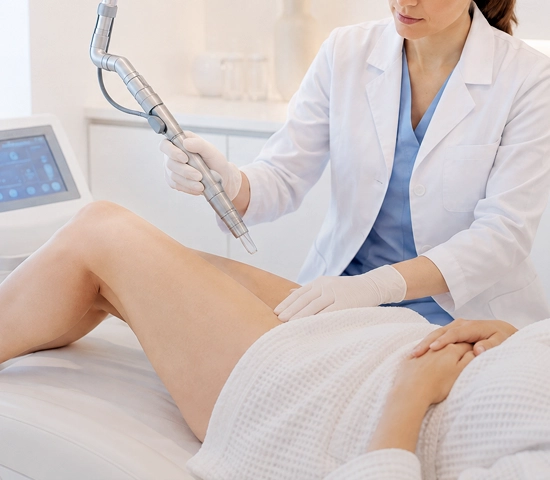
Interest in Vaginal Laser Treatment in Turkey has grown steadily over recent years as more women seek alternatives to conventional surgical procedures. Many patients are interested in therapies that require little downtime while still supporting long-term tissue health and intimate wellness. Although laser treatment is not appropriate for every patient or every condition, it has become an important component of modern non-surgical gynecological care when used for suitable clinical indications.
One of the reasons vaginal laser treatment has attracted increasing attention is its ability to encourage collagen remodeling without the need for surgical incisions. Instead of removing tissue or tightening muscles surgically, laser technology works by delivering carefully controlled thermal energy to the vaginal mucosa. This controlled stimulation activates the body's natural repair response, encouraging the formation of new collagen fibers and supporting gradual tissue renewal over time.
It is important to understand that vaginal laser treatment should not be viewed as a cosmetic trend or a universal solution for every intimate concern. Successful outcomes depend on careful patient selection, accurate diagnosis, realistic expectations, and treatment performed by an experienced specialist familiar with female pelvic anatomy. Women experiencing symptoms should always undergo a comprehensive gynecological evaluation before determining whether laser therapy is an appropriate option.
Modern laser therapy also represents a shift toward individualized medicine. Rather than applying the same treatment to every patient, specialists consider multiple factors, including age, hormonal status, tissue quality, previous pregnancies, menopausal symptoms, medical history, and the patient's treatment goals. This personalized approach helps ensure that laser therapy is recommended only when it is likely to provide meaningful clinical benefit.
What Is Vaginal Laser Treatment?
Vaginal laser treatment refers to the use of specialized medical laser systems designed to stimulate controlled tissue remodeling within the vaginal canal and surrounding tissues. Unlike surgical procedures that physically remove or reconstruct tissue, laser treatment encourages the body's own regenerative processes by delivering precise thermal energy to targeted areas.
The purpose of treatment is not to dramatically alter normal anatomy but to improve the biological condition of the tissues. Controlled laser energy stimulates fibroblast activity, promotes collagen synthesis, supports improved blood circulation, and encourages gradual renewal of the vaginal mucosa. These biological responses may contribute to improved tissue elasticity, hydration, and overall vaginal health in appropriately selected patients.
Because vaginal laser treatment is minimally invasive, the procedure is generally performed in an outpatient setting without surgical incisions. Many women appreciate that treatment can often be completed within a relatively short appointment, allowing them to return to normal daily activities soon afterward according to their physician's recommendations.
It is equally important to understand what vaginal laser treatment does not do. Laser therapy is not intended to replace reconstructive surgery in women with severe vaginal laxity or significant pelvic floor defects. Likewise, it is not a universal treatment for every gynecological condition. Instead, it represents one therapeutic option within the broader field of female intimate health, and its suitability depends entirely on the patient's clinical evaluation.
How Does Vaginal Laser Treatment Work?
The effectiveness of vaginal laser treatment is based on the body's natural healing response. During treatment, the laser delivers carefully controlled microscopic thermal energy to the superficial layers of the vaginal tissue without causing extensive damage to surrounding structures. This controlled stimulation initiates a biological repair process that encourages collagen remodeling and tissue regeneration over the following weeks and months.
Collagen is one of the primary structural proteins responsible for maintaining the strength, elasticity, and resilience of connective tissues throughout the body. As women age or experience hormonal changes, collagen production naturally declines. Pregnancy, childbirth, menopause, and reduced estrogen levels may also influence tissue quality, leading to symptoms such as reduced elasticity or vaginal dryness.
Laser therapy aims to activate fibroblasts—the cells responsible for producing collagen and other components of the extracellular matrix. As collagen remodeling gradually occurs, the tissues may become better hydrated, more elastic, and structurally healthier. Improved blood circulation and tissue oxygenation may further support the regeneration process.
Unlike surgical procedures, the biological effects of laser therapy develop gradually rather than immediately. Many women notice progressive improvement over several weeks as the body's natural healing mechanisms continue to remodel the treated tissues. The pace and degree of improvement vary according to each patient's age, hormonal status, baseline tissue quality, and overall health.
Another important aspect of laser therapy is that treatment protocols are individualized. Some women may benefit from a single session, while others may require multiple treatments depending on their symptoms and clinical findings. Treatment planning should always be determined during a comprehensive consultation rather than according to a standardized schedule.
How Long Does Collagen Remodeling Take?
Although laser energy is delivered during a single treatment session, collagen remodeling continues gradually over the following weeks. The body's natural healing response requires time to produce new collagen fibers, reorganize connective tissue, and improve tissue quality. For this reason, many women notice progressive rather than immediate changes, and the timing of improvement varies according to age, hormonal status, tissue health, and individual healing capacity.
Does Vaginal Laser Treatment Replace Surgery?
Vaginal laser treatment and surgery are designed for different clinical situations. Laser therapy may be appropriate for carefully selected women with mild to moderate tissue changes, whereas advanced anatomical defects or significant pelvic floor disorders may require surgical correction. Rather than competing with surgery, laser treatment represents one option within a broader range of individualized treatment strategies. Determining the most suitable approach requires comprehensive medical evaluation and realistic discussion of expected outcomes.
Why Do Women Consider Vaginal Laser Treatment?
Women explore vaginal laser treatment for a variety of medical and quality-of-life reasons. In many cases, the decision is motivated by gradual tissue changes rather than sudden symptoms. Pregnancy, childbirth, natural aging, menopause, and hormonal fluctuations may all influence the condition of the vaginal tissues, leading some women to seek professional advice regarding available treatment options.
One of the most common reasons women consider laser therapy is the desire to improve vaginal tissue health without undergoing surgery. Some women experience mild symptoms associated with decreased tissue elasticity or reduced natural lubrication, while others seek treatment because of changes affecting everyday comfort or intimate well-being.
Women may also wish to explore laser treatment after menopause, when declining estrogen levels can contribute to changes in tissue hydration and elasticity. Although hormonal changes are a normal part of aging, some women experience symptoms that interfere with their quality of life and may benefit from individualized evaluation.
Common reasons women seek information about vaginal laser treatment include:
- Age-related changes in vaginal tissue quality
- Mild vaginal laxity
- Vaginal dryness associated with menopause
- Reduced tissue elasticity
- Mild discomfort during intimate activity
- Decreased vaginal hydration
- A desire to improve overall intimate wellness through non-surgical treatment
The decision to proceed with treatment should always follow a thorough medical assessment to determine whether laser therapy is appropriate for the patient's individual condition.
Who Is a Good Candidate for Vaginal Laser Treatment?
Vaginal laser treatment is not intended for every woman, and determining whether treatment is appropriate requires a comprehensive gynecological evaluation. The best candidates are women experiencing mild to moderate symptoms related to vaginal tissue quality who are seeking a minimally invasive treatment option and have realistic expectations regarding potential outcomes.
Women who may be suitable candidates include those who:
- Experience mild vaginal laxity.
- Notice reduced vaginal hydration associated with aging or menopause.
- Have symptoms related to decreased tissue elasticity.
- Prefer a non-surgical approach when clinically appropriate.
- Are in good general health.
- Have realistic expectations regarding treatment outcomes.
Every treatment recommendation should be based on individual symptoms, anatomical findings, hormonal status, and overall medical history rather than age alone.
Who May Not Be a Suitable Candidate for Vaginal Laser Treatment?
Although vaginal laser treatment offers potential benefits for carefully selected patients, it is not suitable for every clinical situation. Some women may require alternative treatments or further medical evaluation before laser therapy can be considered.
Laser treatment may not be appropriate for women with:
- Active vaginal or pelvic infections.
- Undiagnosed vaginal bleeding.
- Pregnancy.
- Certain untreated gynecological conditions.
- Advanced pelvic organ prolapse.
- Severe vaginal laxity requiring reconstructive surgery.
- Medical conditions that may interfere with normal healing.
In these situations, the physician may recommend treating the underlying condition first or considering different therapeutic approaches. Appropriate patient selection remains one of the most important factors influencing both safety and treatment success.
Why Choose Vaginal Laser Treatment in Turkey?
Turkey has become a recognized destination for women seeking modern treatments in aesthetic gynecology and female pelvic health. The availability of experienced specialists, advanced medical technology, and individualized treatment planning has contributed to increasing international interest in Vaginal Laser Treatment in Turkey.
One of the most important advantages is the personalized approach adopted during consultation. Rather than recommending laser therapy for every patient, experienced physicians first determine whether laser treatment is appropriate based on clinical examination, symptoms, hormonal status, and treatment goals.
Women considering Vaginal Laser Treatment Turkey should prioritize clinical expertise, patient safety, realistic treatment planning, and comprehensive follow-up rather than selecting a provider based solely on convenience or cost.
Why Do International Patients Travel to Turkey for Vaginal Laser Treatment?
Women from around the world travel to Turkey each year to explore non-surgical treatment options for female intimate health. Many international patients appreciate the opportunity to receive individualized evaluation from physicians experienced in aesthetic gynecology and vaginal laser therapies.
For many patients, the treatment journey begins with a detailed consultation discussing symptoms, medical history, previous pregnancies, menopausal status, and treatment expectations. This careful assessment helps determine whether laser therapy is likely to provide meaningful benefit or whether another treatment approach would be more appropriate.
International patients are also encouraged to discuss travel arrangements, recovery expectations, and follow-up care before scheduling treatment, allowing sufficient time for both evaluation and early recovery.
Conditions That Vaginal Laser Treatment May Help Address
Vaginal laser treatment is not designed to treat every gynecological condition. Instead, it may be considered for selected women experiencing symptoms associated with changes in vaginal tissue quality. Following an individualized assessment, laser therapy may form part of a comprehensive treatment plan for conditions such as:
- Mild vaginal laxity
- Vaginal dryness
- Reduced tissue elasticity
- Symptoms associated with menopause
- Genitourinary Syndrome of Menopause (GSM)
- Mild vaginal discomfort related to tissue changes
- Reduced vaginal hydration
It is important to emphasize that these symptoms can arise from many different causes. A thorough gynecological examination remains essential before determining whether laser therapy is appropriate.
Types of Vaginal Laser Treatment
Different laser technologies have been developed for use in aesthetic gynecology, each operating according to distinct physical principles. Although treatment goals may be similar, the way laser energy interacts with tissue differs depending on the technology used.
The most appropriate laser system depends on the patient's symptoms, tissue characteristics, and the physician's clinical judgment.
CO₂ Laser Treatment
Carbon dioxide (CO₂) laser systems are among the most widely used technologies in vaginal laser therapy. These devices deliver controlled thermal energy to the superficial layers of the vaginal tissue, encouraging collagen remodeling and supporting the body's natural healing response.
CO₂ laser treatment is commonly selected for women experiencing age-related tissue changes, mild vaginal laxity, or reduced tissue hydration. As with all medical treatments, suitability depends on careful patient evaluation rather than the technology itself.
Er:YAG Laser Treatment
Erbium:YAG (Er:YAG) laser technology operates using a different wavelength and tissue interaction profile. Depending on the clinical objective, this technology may allow highly controlled tissue stimulation while minimizing thermal penetration.
The choice between CO₂ and Er:YAG laser systems depends on several factors, including tissue characteristics, treatment goals, physician experience, and the specific clinical findings identified during examination. Rather than one technology being universally superior, each has particular advantages in selected clinical situations.
What Happens During Vaginal Laser Treatment?
Vaginal laser treatment is typically performed as an outpatient procedure and usually does not require surgical incisions or general anesthesia. Before treatment begins, the physician performs a comprehensive evaluation to confirm that laser therapy is appropriate for the patient's condition and discusses the expected treatment process.
During the procedure, a specially designed laser handpiece is carefully positioned within the vaginal canal. Controlled laser energy is delivered to the vaginal tissues according to a customized treatment protocol developed for the individual patient. The procedure itself is generally completed within a relatively short period, after which patients are usually able to return home the same day.
Although many women tolerate treatment well, individual experiences vary. Some patients describe a sensation of warmth or mild pressure during the procedure, while others experience minimal discomfort. The treating physician will provide individualized instructions regarding post-treatment care, activity restrictions, and follow-up appointments.
Recovery After Vaginal Laser Treatment in Turkey
Recovery following Vaginal Laser Treatment in Turkey is generally shorter than recovery after surgical vaginal procedures because laser therapy does not involve surgical incisions or tissue removal. However, every woman's healing process is unique, and recovery recommendations should always be individualized according to the treatment performed and the physician's clinical assessment.
Immediately after treatment, some women may notice mild warmth, temporary swelling, increased sensitivity, or light vaginal discharge. These effects are typically short-lived and represent the body's normal response to controlled tissue stimulation. Most patients are able to resume routine daily activities within a relatively short period, although physicians commonly recommend avoiding activities that may place unnecessary stress on the treated tissues during the initial healing phase.
To support optimal recovery, patients are generally advised to:
- Follow all post-treatment instructions provided by their physician.
- Maintain appropriate intimate hygiene.
- Avoid sexual intercourse for the period recommended by the treating specialist.
- Delay strenuous exercise until healing is progressing appropriately.
- Wear comfortable clothing during the first few days after treatment.
- Attend scheduled follow-up appointments to monitor tissue healing.
Because collagen remodeling continues gradually after laser therapy, improvements often develop progressively over several weeks rather than immediately after treatment. Patience and adherence to postoperative recommendations contribute to achieving the best possible outcome.
Benefits of Vaginal Laser Treatment
Modern vaginal laser treatment is designed to support tissue regeneration while preserving normal anatomy. Rather than producing dramatic structural changes, treatment aims to improve tissue quality through controlled biological stimulation. The potential benefits vary according to each woman's anatomy, hormonal status, underlying symptoms, and the treatment protocol selected.
Physical Benefits
Laser therapy may encourage collagen remodeling, improve tissue elasticity, and support healthier vaginal mucosa in appropriately selected patients. Some women also experience improved hydration and better overall tissue quality as the healing process progresses.
Functional Benefits
For women experiencing symptoms associated with mild tissue changes, laser treatment may contribute to greater everyday comfort and improved vaginal health. Depending on the underlying condition, treatment may help reduce symptoms related to vaginal dryness, mild irritation, or decreased tissue resilience.
Emotional Well-Being
Changes affecting intimate health may also influence confidence and overall quality of life. When treatment is recommended for appropriate clinical indications, some women report feeling more comfortable and confident as symptoms improve. These emotional benefits are generally associated with improved physical comfort rather than cosmetic changes alone.
Long-Term Tissue Health
One of the primary objectives of vaginal laser therapy is to stimulate the body's natural regenerative capacity rather than temporarily masking symptoms. While individual results vary, treatment is intended to support healthier tissue structure over time through collagen remodeling and improved local tissue quality.
Limitations of Vaginal Laser Treatment
Although vaginal laser treatment has become an important option within modern aesthetic gynecology, it is essential to understand its limitations. Laser therapy should not be viewed as a universal solution capable of treating every gynecological condition.
Laser treatment may be less appropriate for women with advanced pelvic organ prolapse, severe vaginal laxity, significant muscle defects following childbirth, or conditions requiring reconstructive surgery. In these situations, surgical treatment may provide more appropriate long-term results than minimally invasive laser therapy.
Similarly, laser therapy cannot permanently prevent the natural aging process. Pregnancy, childbirth, menopause, hormonal changes, and normal aging may continue to influence tissue quality throughout life. Treatment therefore forms part of a broader approach to female intimate health rather than representing a permanent cure.
Understanding these limitations allows patients to develop realistic expectations and supports informed decision-making during consultation.
Scientific Studies on Vaginal Laser Treatment
Interest in vaginal laser therapy has led to a growing number of clinical studies evaluating its effectiveness and safety across different patient populations. Research has primarily focused on women experiencing symptoms associated with menopause, reduced vaginal hydration, mild vaginal laxity, and changes in tissue quality.
Current scientific literature suggests that carefully selected patients may experience improvements in tissue quality, hydration, and symptom relief following laser therapy. At the same time, researchers continue to emphasize the importance of individualized treatment planning, standardized treatment protocols, and appropriate patient selection.
Another important finding from the scientific literature is that not every patient responds in the same way. Age, hormonal status, tissue condition, underlying medical conditions, and treatment expectations all influence clinical outcomes. Ongoing research continues to evaluate long-term effectiveness while helping physicians refine patient selection criteria and optimize treatment protocols.
Myths and Facts About Vaginal Laser Treatment
Misunderstandings surrounding vaginal laser therapy are common, particularly because information found online often oversimplifies the procedure. Separating myths from medical facts helps women make better-informed decisions.
Myth: Vaginal laser treatment is only performed for cosmetic reasons.
Fact: Modern vaginal laser therapy is frequently considered for functional concerns such as vaginal dryness, reduced tissue quality, and symptoms associated with menopause or mild vaginal laxity.
Myth: Laser treatment replaces vaginal surgery.
Fact: Laser therapy and surgery serve different purposes. While laser treatment may benefit carefully selected women with mild to moderate symptoms, advanced anatomical changes may require surgical management.
Myth: One treatment session provides permanent results.
Fact: The body's tissues continue to age naturally over time. Depending on individual circumstances, some women may require additional treatment or long-term follow-up as recommended by their physician.
Myth: Every woman is a suitable candidate for laser therapy.
Fact: Appropriate patient selection remains one of the most important factors influencing treatment success. A comprehensive medical evaluation is necessary before determining whether laser treatment is appropriate.
Vaginal Laser Treatment Before and After: What to Expect
Women considering vaginal laser treatment should understand that improvements develop gradually rather than immediately after the procedure. During the first few days, temporary tissue sensitivity or mild swelling may occur as part of the body's natural healing response. Over the following weeks, collagen remodeling continues beneath the surface, supporting progressive improvements in tissue quality, hydration, and elasticity.
The objective of treatment is not to dramatically alter anatomy but to encourage healthier tissue function through controlled biological regeneration. Because every woman's anatomy and healing response are unique, treatment outcomes differ between individuals. Maintaining realistic expectations and following all post-treatment recommendations remain essential components of successful long-term results.
Vaginal Laser Treatment Turkey: Cost Factors to Consider
The cost of Vaginal Laser Treatment in Turkey depends on several factors rather than a single fixed price. The type of laser technology used, the patient's individual symptoms, the number of treatment sessions recommended, the physician's experience, and the medical facility where treatment is performed all influence the overall treatment plan. Some women may benefit from a single session, while others may require a series of treatments depending on their clinical findings and therapeutic goals.
International patients should also consider additional practical factors such as accommodation, transportation, and the recommended duration of stay before returning home. When comparing treatment providers, it is advisable to evaluate medical expertise, patient safety standards, consultation quality, and postoperative follow-up rather than making decisions based solely on cost. A personalized treatment plan developed after a comprehensive evaluation provides a far more meaningful basis for comparison than pricing alone.
Traveling to Turkey for Vaginal Laser Treatment
Women traveling internationally for Vaginal Laser Treatment in Turkey are encouraged to plan their journey carefully before treatment begins. Sharing relevant medical history, previous gynecological procedures, current medications, and menopausal status with the treating physician allows the consultation process to be more productive and individualized.
Patients should also schedule sufficient time for consultation, treatment, and any recommended follow-up assessments before returning home. Choosing accommodation close to the clinic, arranging flexible travel dates, and understanding post-treatment recommendations in advance can contribute to a more comfortable recovery. Careful preparation enables patients to focus on healing while maintaining clear communication with their healthcare team throughout every stage of treatment.
How Long Should You Stay in Turkey After Vaginal Laser Treatment?
The recommended length of stay after Vaginal Laser Treatment in Turkey varies according to the treatment protocol and the patient's individual needs. Because laser therapy is minimally invasive, many international patients require only a relatively short stay compared with surgical procedures. Nevertheless, physicians often recommend remaining in Turkey long enough to complete the planned treatment sessions and attend any necessary follow-up evaluations before traveling home.
Allowing sufficient time for early assessment enables the physician to evaluate the treated tissues, answer postoperative questions, and provide personalized recovery recommendations. Planning travel after discussing the expected treatment timeline with the treating specialist helps ensure a safe and well-organized treatment experience.
Vaginal Laser Treatment Turkey: Questions to Ask Before Choosing a Specialist
Selecting an experienced physician is one of the most important steps when considering Vaginal Laser Treatment in Turkey. During the consultation, patients should feel comfortable discussing both their symptoms and their expectations while gaining a clear understanding of the proposed treatment plan.
Questions that may be helpful include:
- Am I a suitable candidate for vaginal laser treatment?
- What is the underlying cause of my symptoms?
- Which laser technology is most appropriate for my condition?
- Are there non-laser alternatives that should also be considered?
- How many treatment sessions are likely to be recommended?
- What improvements can realistically be expected?
- What are the potential risks and limitations?
- How will follow-up care be managed after I return home?
An open discussion helps patients make informed decisions based on medical evaluation rather than assumptions or marketing claims.
Frequently Asked Questions About Vaginal Laser Treatment
Is vaginal laser treatment painful?
Most women describe the procedure as causing mild discomfort rather than significant pain. Individual experiences vary, and the treating physician will explain what to expect before treatment begins.
How long does a treatment session usually take?
The procedure is generally completed within a relatively short outpatient appointment, although the exact duration depends on the treatment protocol and the patient's individual needs.
How many sessions are usually required?
There is no standard number of sessions suitable for every patient. Recommendations depend on the condition being treated, tissue characteristics, and the physician's assessment.
Can vaginal laser treatment be combined with other procedures?
In selected patients, laser therapy may be incorporated into a broader treatment plan that includes other medical or surgical approaches. Whether combination treatment is appropriate depends entirely on the individual's symptoms and clinical findings.
When can normal activities be resumed?
Many women return to routine daily activities soon after treatment. However, recommendations regarding exercise, sexual activity, and other physical activities should always follow the guidance provided by the treating physician.
Choosing the Right Specialist
Successful outcomes depend not only on the technology being used but also on the experience and clinical judgment of the physician performing the treatment. Vaginal laser therapy requires a detailed understanding of female pelvic anatomy, tissue healing, patient selection, and the limitations of minimally invasive procedures.
Patients should seek specialists who perform comprehensive consultations, explain available treatment options objectively, discuss both benefits and limitations openly, and recommend laser therapy only when it is clinically appropriate. An individualized treatment plan developed through careful evaluation is far more valuable than a standardized approach applied to every patient.
Final Thoughts
Vaginal laser treatment has become an important component of modern female intimate health by offering a minimally invasive option for carefully selected women experiencing changes in vaginal tissue quality, hydration, elasticity, or comfort. Rather than replacing surgery or serving as a universal solution, laser therapy represents one of several evidence-based approaches available within contemporary aesthetic gynecology.
Women considering Vaginal Laser Treatment in Turkey should understand that successful treatment begins with an accurate diagnosis and an individualized consultation. Every woman's anatomy, symptoms, hormonal status, and treatment goals are unique, making personalized medical assessment essential before selecting any therapeutic approach.
When recommended for appropriate clinical indications, vaginal laser therapy may support tissue regeneration, improve overall vaginal health, and contribute to long-term intimate wellness while preserving normal anatomy. Maintaining realistic expectations, following professional medical advice, and selecting an experienced specialist remain the foundations of safe, effective, and patient-centered care.
- A Life-Changing Experience
After giving birth, I experienced discomfort and a loss of confidence. My treatment exceeded all my expectations. The results are both functional and aesthetic, and I feel muc{...}
30.07.2026 - Professional Care from Start to Finish
I traveled to Turkey for vaginal rejuvenation, and everything was organized perfectly. The clinic was modern, the staff spoke excellent English, and every step of my treatment{...}
17.07.2026 - I Finally Feel Like Myself Again
I had been considering labiaplasty for years but was very nervous about the procedure. From my first consultation, I felt comfortable and well-informed. The entire team was ki{...}
07.07.2026